Estate Planning & Death Taxes in Canada
Canada has no inheritance tax by name, but death can still trigger a large tax bill. These videos explain what happens to RRSPs, property and private company shares when you die, how probate works, why so many wills fail, what executors are personally on the hook for, and the planning steps that keep more of what you built in the family.
Episodes
- 12:29

CRA Takes 80% When You Die
- 14:00

CRA Tax Rule That Wipes Out Inheritances
- 55:59

Helping Your Kids? CRA Takes a Cut
- 47:27

CRA Bill That Destroys Wealth After Divorce
- 16:04
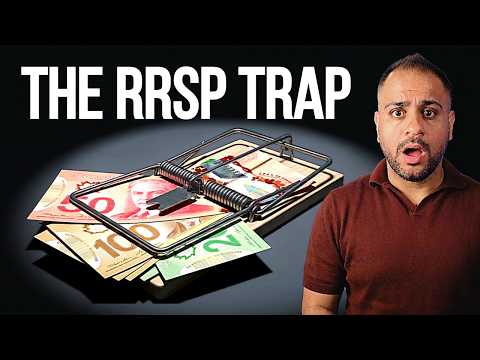
CRA Takes 54% Of Your RRSP When You Die (Unless You Do This)
- 1:00:32

Most Wills Fail. Here's Why
- 1:23:31

Being an Executor Can Cost You Personally
- 1:38:32

The $10M Tax Bill When a Business Owner Dies
- 6:41

They Want Your Kid To Pay This
- 17:02

What Actually Controls Your Money When You Die (It's Not Your Will)
Get new videos as soon as they're out.
Subscribe on YouTubeRelated reading

The RRSP Trap: Why CRA Takes 54% Of Your RRSP When You Die (And How To Stop It)
A $1 million RRSP can trigger a $540,000 tax bill at death. Learn the little-known strategy that can legally reduce that tax burden and preserve more wealth for your family.

Should You Put Assets In Your Kids' Names? Why Wealthy Canadian Families Never Do
Wealthy Canadian families almost never put assets in their kids' names. Here's why, how a family trust works instead, and the timing decision worth $1.3 million.

Will vs. Trust: Which One Actually Controls Your Assets In Canada?
Most Canadians think their will controls everything they own – but beneficiary designations, joint ownership, probate, and tax rules often determine where assets actually go.

Do You Need A Holding Company In Canada? The 5 Signs
A holding company can save hundreds of thousands in tax – or add needless complexity. Learn the five signs it makes sense, from surplus cash and investments to asset protection and business sales.
CRA Bare Trust Rules 2026: Joint Accounts & Family Explained
CRA Bare Trust Rules 2026: Joint Accounts & Family Explained
Are joint bank accounts a bare trust? With Bill C-15 now law, here's what the 2026 CRA bare-trust rules mean for joint accounts, parent–child accounts, in-trust-for accounts, and a parent on title of a home — in plain English.

3 CRA Powers Coming in 2026 That Every Canadian Needs to Know
The CRA's new 2026 audit powers — compelled sworn testimony with no transcript, $50/day penalties without a court, and reassessment clocks frozen indefinitely. Here are the three every Canadian needs to understand.
More topics
- The Advisors Table Podcast: Full Episodes
- CRA Audit Powers & Bill C-31 Explained
- CRA Audits in Canada: Targets, Tactics & Defence
- Bare Trust Rules in Canada Explained
- Tax for Canadian Business Owners: Trusts, Holdcos & Exits
- Cross-Border Tax Canada: US Clients & Leaving Canada
- Real Estate Taxes in Canada: Airbnb, HST & Land Transfer
- Canadian Tax Policy & Politics
- All topics