Being An Executor Can Cost You Personally
How choosing an executor is far more than an administrative decision – and how personal liability, CRA reassessments, and estate risks can last years.
📥 Free resources from this episode
The Executor Checklist
The Advisors TableThe Executor Checklist
Five concrete actions for anyone named executor — from the Section 159 conversation to have with the person you've named, to the accountant questions about Form TX19 clearance certificates, to the personal-liability protection most executors don't know they need.
Show Notes
In this episode, we analyze how most people choose an executor thinking it's a simple administrative role – someone to "handle paperwork" and distribute assets.
But in reality, being an executor can expose someone to personal liability, CRA reassessments, historical tax disputes, and months (sometimes years) of stress.
Through Our Discussion, We Reveal:
• Why executors can be personally liable for unpaid taxes
• How distributing assets too early creates personal risk
• Why clearance certificates are critical – even though they're not mandatory
• How CRA can reopen historical transactions during estate review
• Shareholder loan traps business owners overlook
• Estate freeze valuation disputes years after planning
• Probate costs and why dual wills must be set up while alive
• CRA process failures and why relying on phone advice is risky
• What you should do today to protect your executor
This Episode Is Essential To View For:
✓ Business owners
✓ High-income professionals
✓ Anyone naming an executor in their will
✓ Executors currently managing an estate
✓ Families with complex corporate structures
Key Topics Covered:
• Executor Liability under Section 159
• Clearance Certificates: process, timeline, and risk
• Earn-out reassessments discovered during estate review
• Shareholder loan income inclusion surprises
• Estate Freeze Valuation Challenges
• Probate Mechanics and 1.5% Ontario Estate Tax
• The Dual Will Strategy
• CRA Reassessment Windows
• Why Notice of Assessment ≠ Clearance
• How to properly prepare your executor while you're alive
Full Transcript
📝 Related Articles
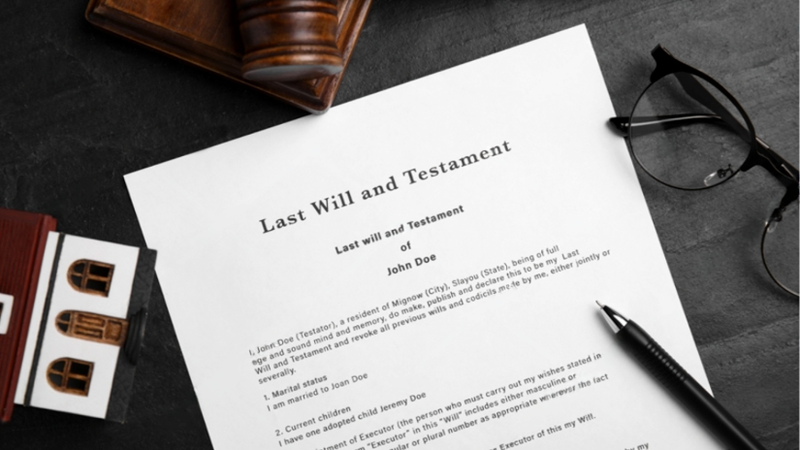
Will vs. Trust: Which One Actually Controls Your Assets In Canada?
Most Canadians think their will controls everything they own – but beneficiary designations, joint ownership, probate, and tax rules often determine where assets actually go.

CRA’s 5 Most Dangerous Weeks: What TEBA Means for Your Next Audit
What is TEBA, and why does it make February–March the most dangerous weeks for a CRA audit? How the CRA's March 31 year-end drives aggressive reassessments — and a 3-phase plan to protect yourself.

Should You Put Assets In Your Kids' Names? Why Wealthy Canadian Families Never Do
Wealthy Canadian families almost never put assets in their kids' names. Here's why, how a family trust works instead, and the timing decision worth $1.3 million.

Senior Tax Manager · Tax Manager
Two ways in: the groundwork under our advisory files, or a senior seat with a defined path to Manager.