Swipeable tax breakdowns.
One deck per topic — structures, decisions, and CRA traps explained in slides. Tap a card to open the full carousel.
Why The Wealthy Never Gift Their Kids Anything
The wealthiest families in Canada almost never put anything in their kids' names. Not the company. Not the property. Not the investments. It isn't because they don't trust their kids. It's because a gift is the one financial move you can never take back. Swipe for what they do instead, and the $1.3 million difference it made for one family.

5 Signs You Actually Need A Holding Company
Not everyone needs a holding company – but for the right person, it can save hundreds of thousands in tax and protect everything you've built. Here are 5 signs it might be time to consider one.
Same $1M RRSP, $390,000 Difference
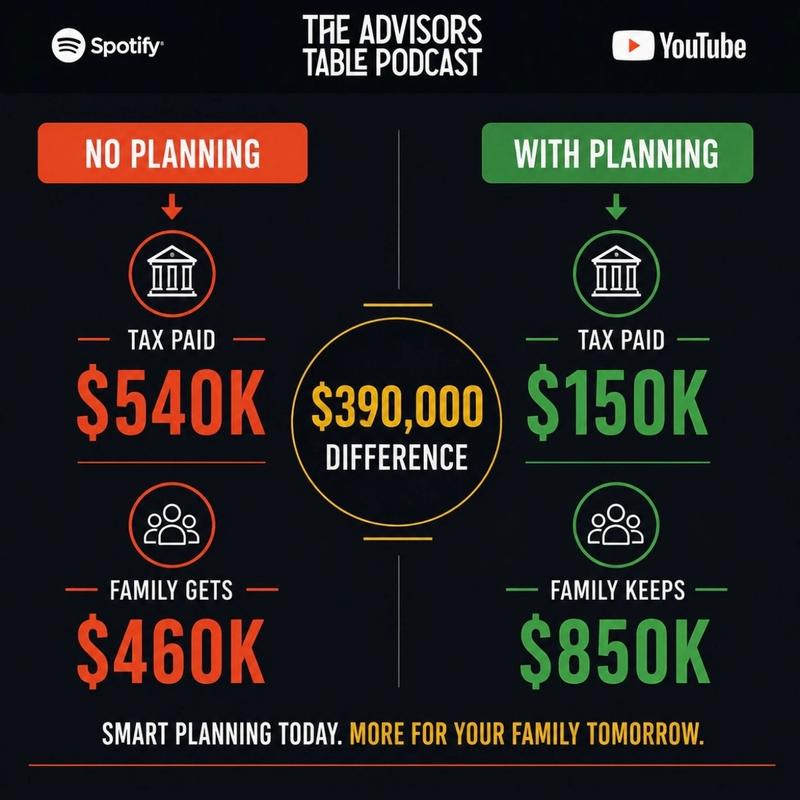
Same $1M RRSP. Same family. $390,000 difference.
CRA Takes 54% Of Your RRSP When You Die
CRA can take 54% of your RRSP when you die. Not your business. Not your real estate. The retirement savings you built one paycheque at time. Here's what almost nobody tells you: your entire RRSP lands on your final tax return as income, all in one year. On a $1M RRSP, combined with the deemed disposition on the rest of your estate, the tax can hit $540,000. But there's a provision in the Income Tax Act that can redirect your RRSP to a minor child or grandchild, taxed at their rate instead of yours. It can drop the total tax to around $150,000. That's a $390,000 difference. Same RRSP. Same family. Same law.
The 3% Trick For Your Kids
Your kids can legally earn $25,000 a year and pay almost zero tax. It is called a prescribed rate loan trust. You lend money to a family trust at CRA's prescribed rate (currently 3%). The trust invests it. The returns flow to your kids – taxed in their hands, not yours. The savings? Up to $12,000 a year on interest income alone. But there is a catch. One type of investment income actually makes this strategy backfire. And one missed date can collapse the whole thing.
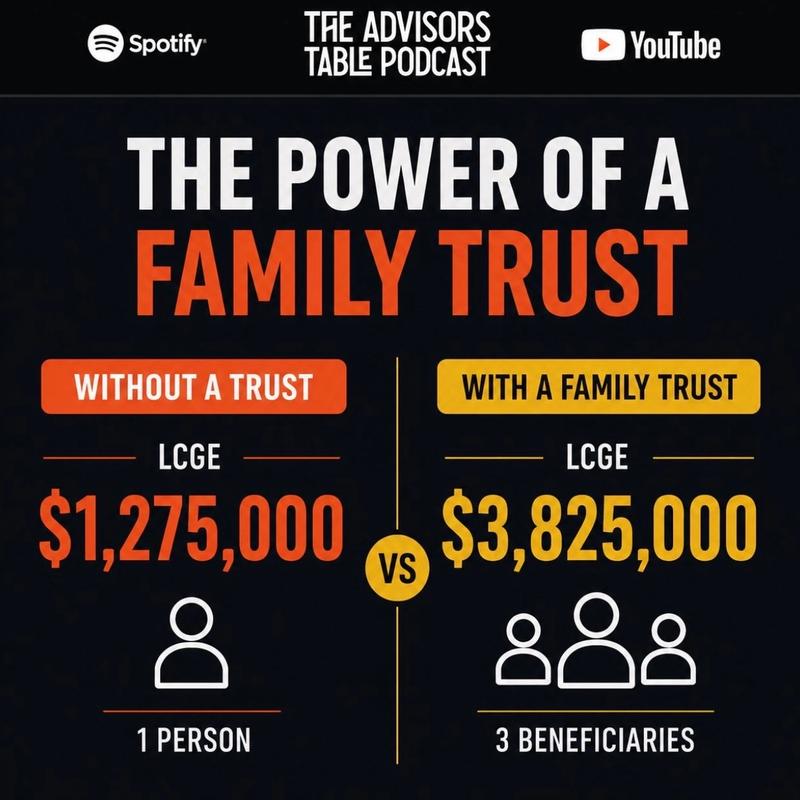
The Power Of A Family Trust
Same business. Same sale. Same CRA rules. The only difference is how the shares were held. Without a trust: $1,275,000 sheltered through LCGE. With a family trust and three kids: up to $3,825,000 sheltered. The math speaks for itself.
Will Vs. Trust Explained
Most Canadian think their will handles everything. It doesn't. Your RRSP goes to whoever is on the beneficiary form. Your jointly-owned house goes to the surviving owner. Your will? It only controls what's left over. Here's what a will CAN'T do: • Save you tax • Control when your kids get their money • Help if you're incapacitated • Protect assets from creditors A family trust does all of that. And the difference can be hundreds of thousands of dollars.
The Airbnb Tax Nobody Knows About
You put your home on Airbnb. The bookings are strong. The income is rolling in. But according to CRA, your home may no longer be a home. It may now be treated as commercial property – like a hotel. And when you sell, you could owe $150,000 in unexpected tax. Here is the breakdown: 🏠 How Airbnb can trigger CRA's "change of use" rules ⚖️ The 2024 court case where CRA successfully applied HST on sale 💰 How one homeowner could owe roughly $150,000 in HST alone 🚫 Why stopping Airbnb does not fix it — every exit triggers the same tax 📋 What you should do right now if you host on Airbnb These rules were written 30+ years ago for hotels. Nobody in government has updated them for Airbnb. And Airbnb is not warning you.
What To Do When CRA Audits You
Getting a letter from CRA is not the end of the world — but how you respond in the first 72 hours can change everything. Most business owners panic. Some ignore it entirely. Both are mistakes. After 15+ years of defending clients through CRA audits, here are the 9 things I tell every single client the moment they get that letter: 1️⃣ Don't panic — but don't ignore it either 2️⃣ Call your tax advisor before you call anyone else 3️⃣ Understand what type of audit you're dealing with 4️⃣ Organize your records — and only what they asked for 5️⃣ Know your rights as a taxpayer 6️⃣ Respond strategically, not emotionally 7️⃣ Prepare for the reassessment before it comes 8️⃣ File a Notice of Objection if you need to 9️⃣ The one step most people skip (slide 10 👀) Save this post. You might not need it today — but when that letter shows up, you will want it.
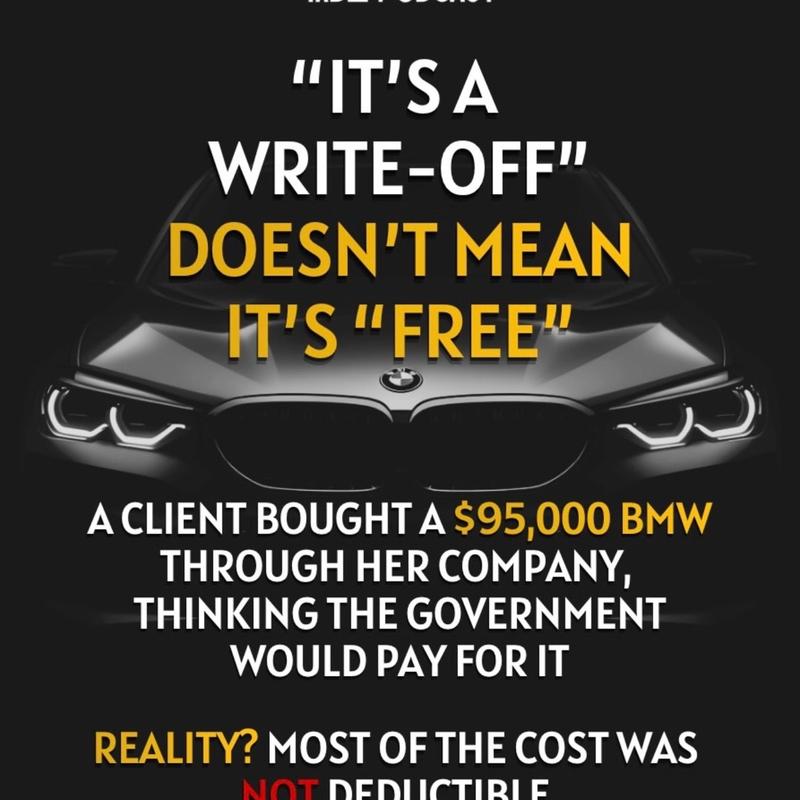
"It's A Write-Off" Doesn't Mean It's "Free"
Most people think a company car is a "full write-off" 💸 The reality, CRA has strict limits, caps, and taxable benefit rules that most people never hear about. Before buying a vehicle through your corporation, know these facts.
Where Does Your GST Go?
The government collected $52.5 billion in GST last year. The interest on the debt? $54 billion. Your GST pays for nothing.
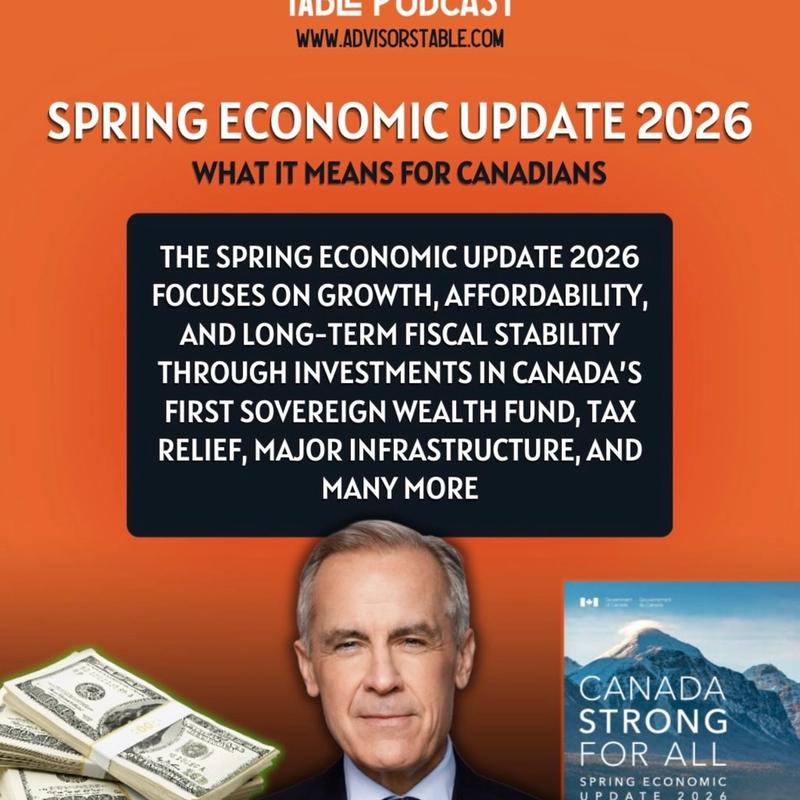
Spring Economic Update 2026
Canada's Spring Economic Update for 2026 is here 🇨🇦 From lower CPP contributions and grocery support to fuel tax relief and homebuyer incentives, these changes could directly impact your finances and tax planning. Their goal is to build a stronger Canada and create long-term economic growth for Canadians. But with rising public debt and major new spending, the bigger question is – who pays for it later?