The $10M Tax Bill When A Business Owner Dies
How one founder built a $50M company but left his family exposed to over $10 million in tax, probate delays, and succession chaos due to missing estate planning.
📥 Free resources from this episode
Estate Planning Checklist for Business Owners
The Advisors TableEstate Planning Checklist for Business Owners
Calculate business value, ACB, capital gains tax, probate fees, and LCGE eligibility to estimate what your family could owe after your death.
Show Notes
In this episode, we unpack a real-life estate planning crisis: Robert Hale, a 78-year-old founder who built a $50M company – but never built a plan around it.
A sudden health scare exposed a devastating truth: if Robert died today, his estate would owe over $10 million in tax, his business would be frozen in probate, and his family – all non-residents – would face structural, legal, and financial chaos.
Through This Real Client Case, We Unpack:
• The hidden tax and probate risks of delayed planning
• Why non-resident heirs complicate estate planning
• The importance of wills, executors, trustees, and family communication
• The reality of post-mortem tax planning
• Why double or triple taxation often occurs after death
• How family trusts are used for succession
• The freeze, restructuring, and cleanup that ultimately saved his family's legacy
This Episode Is Essential To View For:
✓ Founders and business owners
✓ High net-worth families
✓ Professionals with children living abroad
✓ Anyone who thinks they can "plan later"
Key Topics Covered:
• How taxes on death are calculated in Canada
• Risk founders face when planning is delayed
• Hidden Tax and Probate Exposure
• Why non-resident children complicate everything
• How LCGEs get blocked by poor structures
• The 21-year deemed disposition rule for trusts
• Double and triple taxation on company shares after death
• Post-mortem tools such as pipelines, bumps, and carrybacks – and why they matter
• Executor risk and the importance of CRA clearance certificates
Full Transcript
📝 Related Articles

CRA’s 5 Most Dangerous Weeks: What TEBA Means for Your Next Audit
What is TEBA, and why does it make February–March the most dangerous weeks for a CRA audit? How the CRA's March 31 year-end drives aggressive reassessments — and a 3-phase plan to protect yourself.

3 CRA Powers Coming in 2026 That Every Canadian Needs to Know
The CRA's new 2026 audit powers — compelled sworn testimony with no transcript, $50/day penalties without a court, and reassessment clocks frozen indefinitely. Here are the three every Canadian needs to understand.

One Mistake Killed His $5M Deal — Why the Wrong Team Destroys Business Sales
Selling your business? One wrong hire and hidden tax traps can kill the deal. Why regular accountants fail at business-exit tax planning — and how to build the deal team that protects your sale.
🎬 More Episodes
 Solo
SoloHow To Get Paid By US Clients (Canadian Corp)
How Canadian corporations billing US clients can face 30% withholding, HST issues, and PSB reclassification – and the key factors CRA uses to assess the relationship.
- US Tax
- Cross-Border
- Corporate Tax
 Solo
SoloFamily Trusts Explained: Why The Wealthy Never Gift Their Kids Anything
Why wealthy Canadian families never put assets in their kids' names, how a family trust actually works, and the timing decision worth $1.3 million.
- Family Trust
- Trust Planning
- Income Splitting
 Solo
SoloDo You Actually Need A Holding Company?
How a holding company can reduce taxes, protect assets, and improve long-term planning for some Canadians – while creating unnecessary cost and complexity for others.
- Holdco Structure
- Corporate Tax
- Professional Corporations
 Solo
SoloCRA Takes 54% Of Your RRSP When You Die (Unless You Do This)
How a $1 million RRSP can create a $500,000+ tax bill at death – and the little-known planning strategy that may help families keep far more of their wealth.
- RRSP
- Retirement Planning
- Beneficiary Designations
 Solo
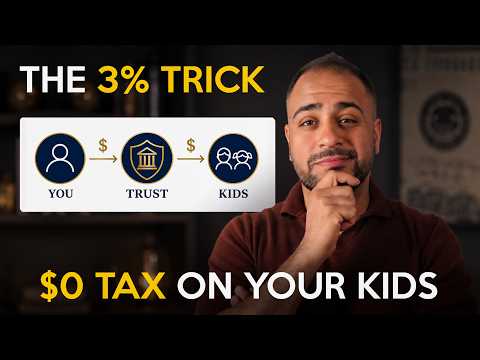
SoloYour Family Can Save 12K A Year Through This Tax Strategy
How Canada's 3% prescribed-rate trust strategy can legally shift investment income to children – but new AMT rules may now reduce or even reverse the tax savings.
- Family Trust
- Tax Planning
 Solo
SoloEstate Planning Explained: Will vs. Trust In Canada
How wills, beneficiary designations, joint ownership, and trusts actually control your assets in Canada – and why many families discover critical estate planning gaps only after a crisis occurs.
- Estate Planning
- Wills & Estates
- Trust Planning
Senior Tax Manager · Tax Manager
Two ways in: the groundwork under our advisory files, or a senior seat with a defined path to Manager.