CRA Takes 80% When You Die
How dying with an incorporated business can trigger layers of tax that devastates family wealth – and why post-mortem planning is critical before it's too late.
📥 Free resources from this episode
Estate Planning Audit: Where Are Your Gaps?
The Advisors TableEstate Planning Audit: Where Are Your Gaps?
Map every asset you own to one of three transfer buckets. See exactly who gets what when you die, and whether that's who you intended. Most people find at least one surprise.
Show Notes
When you die owning a corporation in Canada, the CRA can take up to "80 of its value" through layers of taxation – leaving your family with almost nothing.
Through An Example, You'll Learn:
• How CRA applies a deemed disposition when you die
• How a $1M corporation can trigger over $800K in total taxes
• How capital gains tax, dividend tax, and corporate tax stack together
• What "double" and "triple" taxation really mean in practice
• What post-mortem tax planning is
• What strategies can reduce the tax outcome from 80% down to 27%
• Why this issue affects employees, jobs, and entire communities – not just owners
• The three questions every incorporated business owner must ask their tax advisor
If you own a corporation, this is something you cannot afford to ignore. Without planning, years of work can disappear to taxes in a single event.
📝 Related Articles

Should You Put Assets In Your Kids' Names? Why Wealthy Canadian Families Never Do
Wealthy Canadian families almost never put assets in their kids' names. Here's why, how a family trust works instead, and the timing decision worth $1.3 million.
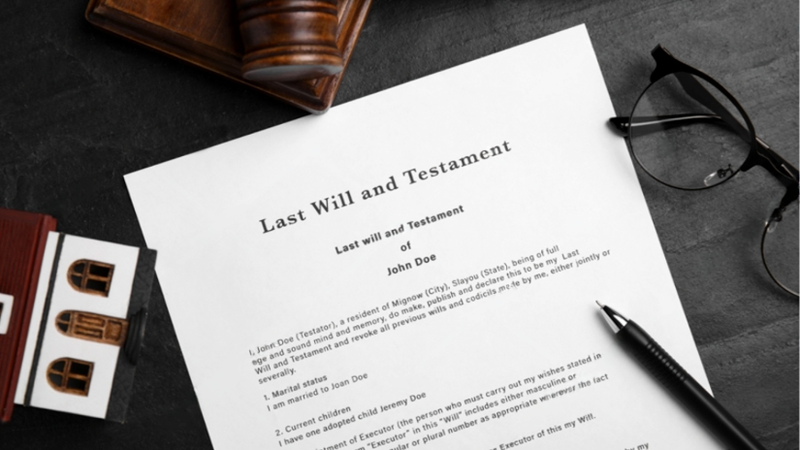
Will vs. Trust: Which One Actually Controls Your Assets In Canada?
Most Canadians think their will controls everything they own – but beneficiary designations, joint ownership, probate, and tax rules often determine where assets actually go.

CRA’s 5 Most Dangerous Weeks: What TEBA Means for Your Next Audit
What is TEBA, and why does it make February–March the most dangerous weeks for a CRA audit? How the CRA's March 31 year-end drives aggressive reassessments — and a 3-phase plan to protect yourself.
🎬 More Episodes
 Solo
SoloHow To Get Paid By US Clients (Canadian Corp)
How Canadian corporations billing US clients can face 30% withholding, HST issues, and PSB reclassification – and the key factors CRA uses to assess the relationship.
- US Tax
- Cross-Border
- Corporate Tax
 Solo
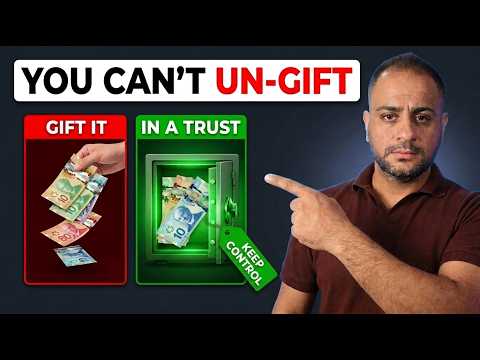
SoloFamily Trusts Explained: Why The Wealthy Never Gift Their Kids Anything
Why wealthy Canadian families never put assets in their kids' names, how a family trust actually works, and the timing decision worth $1.3 million.
- Family Trust
- Trust Planning
- Income Splitting
 Solo
SoloDo You Actually Need A Holding Company?
How a holding company can reduce taxes, protect assets, and improve long-term planning for some Canadians – while creating unnecessary cost and complexity for others.
- Holdco Structure
- Corporate Tax
- Professional Corporations
 Solo
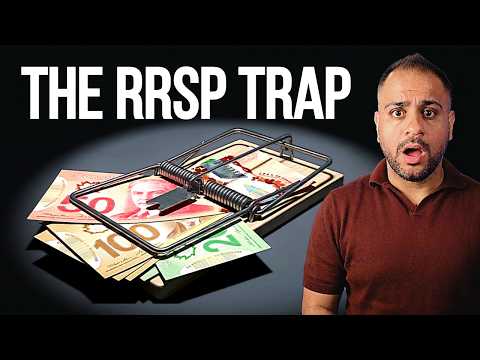
SoloCRA Takes 54% Of Your RRSP When You Die (Unless You Do This)
How a $1 million RRSP can create a $500,000+ tax bill at death – and the little-known planning strategy that may help families keep far more of their wealth.
- RRSP
- Retirement Planning
- Beneficiary Designations
 Solo
SoloYour Family Can Save 12K A Year Through This Tax Strategy
How Canada's 3% prescribed-rate trust strategy can legally shift investment income to children – but new AMT rules may now reduce or even reverse the tax savings.
- Family Trust
- Tax Planning
 Solo
SoloEstate Planning Explained: Will vs. Trust In Canada
How wills, beneficiary designations, joint ownership, and trusts actually control your assets in Canada – and why many families discover critical estate planning gaps only after a crisis occurs.
- Estate Planning
- Wills & Estates
- Trust Planning
Senior Tax Manager · Tax Manager
Two ways in: the groundwork under our advisory files, or a senior seat with a defined path to Manager.