CRA Takes 54% Of Your RRSP When You Die (Unless You Do This)
How a $1 million RRSP can create a $500,000+ tax bill at death – and the little-known planning strategy that may help families keep far more of their wealth.
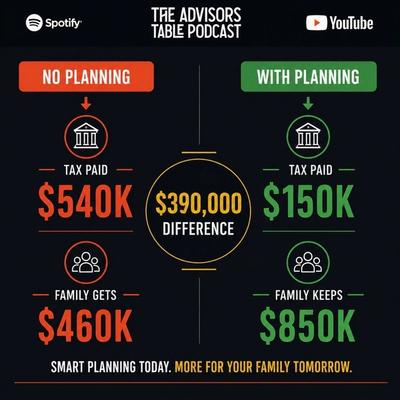
Same $1M RRSP, $390,000 Difference
📥 Free resources from this episode
The RRSP Escape Plan
The Advisors TableThe RRSP Escape Plan
Estimate how much of your RRSP could be lost to tax at death – and compare strategies that may help preserve more wealth for your family and heirs.
Show Notes
Most Canadians think the tax bill on their RRSP comes when they retire.
For many families, the biggest tax bill comes when they die.
A $1 million RRSP can trigger hundreds of thousands of dollars in tax on a final return – often at rates higher than what many people paid during their working years.
But there is a little-known provision in the tax rules that can dramatically reduce that tax for families with dependent minor children or grandchildren.
In This Solo, We Cover:
• Why the "lower tax bracket in retirement" assumption often fails
• How a $1M RRSP can create a tax bill of more than $500,000 at death
• Why RRIF withdrawals can trigger OAS clawbacks and higher effective tax rates
• The strategy that can reduce a $540,000 tax bill to roughly $150,000
• How dependent children and grandchildren can qualify for special RRSP treatment
• Why beneficiary designations and will planning matter more than most people realize
• The critical deadlines that can make or break the strategy
Retirement planning isn't just about growing your RRSP.
It's about understanding what happens when the money eventually comes out – and what happens if it doesn't.
Many families only discover these rules after it's too late to do anything about them.
If you have a large RRSP, minor children or grandchildren, or aging parents with registered accounts, this is a conversation worth having now – not after a death in the family.
📝 Related Articles
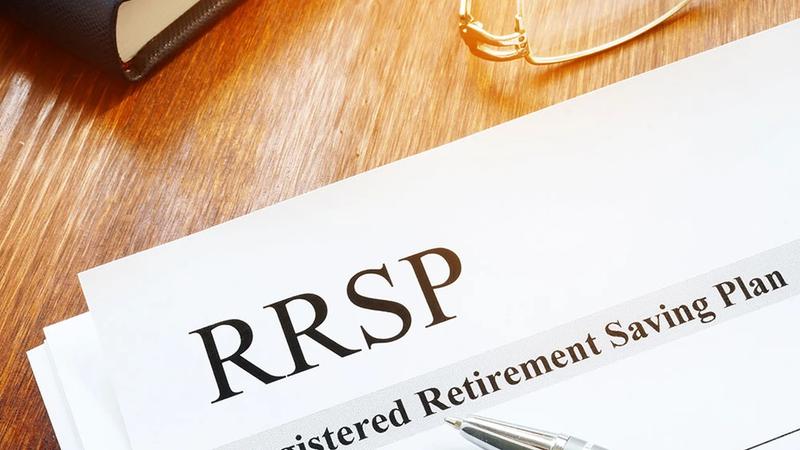
The RRSP Trap: Why CRA Takes 54% Of Your RRSP When You Die (And How To Stop It)
A $1 million RRSP can trigger a $540,000 tax bill at death. Learn the little-known strategy that can legally reduce that tax burden and preserve more wealth for your family.

Should You Put Assets In Your Kids' Names? Why Wealthy Canadian Families Never Do
Wealthy Canadian families almost never put assets in their kids' names. Here's why, how a family trust works instead, and the timing decision worth $1.3 million.

Do You Need A Holding Company In Canada? The 5 Signs
A holding company can save hundreds of thousands in tax – or add needless complexity. Learn the five signs it makes sense, from surplus cash and investments to asset protection and business sales.
🎬 More Episodes
 Solo
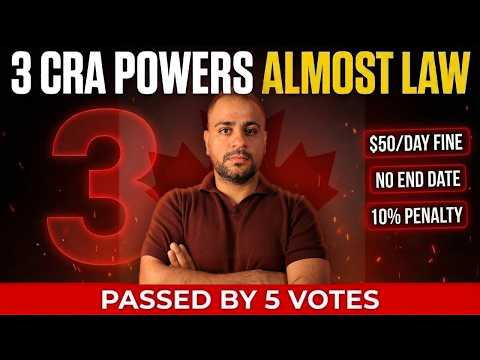
SoloCRA’s New Powers Got Worse. Here’s Who Gets Hit
How CRA's proposed new audit powers could introduce daily penalties, extended audit timelines, and a 10% court penalty – giving the agency broader reach.
- Politics
- Business Owners
- CRA Audit
 Solo
SoloHow To Get Paid By US Clients (Canadian Corp)
How Canadian corporations billing US clients can face 30% withholding, HST issues, and PSB reclassification – and the key factors CRA uses to assess the relationship.
- US Tax
- Cross-Border
- Corporate Tax
 Solo
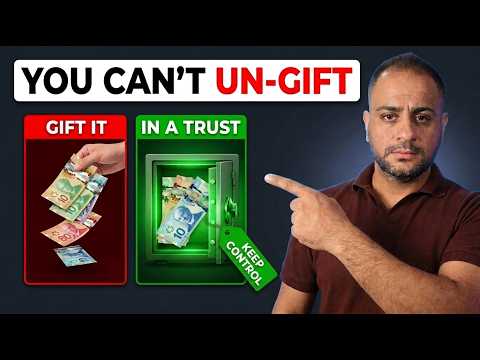
SoloFamily Trusts Explained: Why The Wealthy Never Gift Their Kids Anything
Why wealthy Canadian families never put assets in their kids' names, how a family trust actually works, and the timing decision worth $1.3 million.
- Family Trust
- Trust Planning
- Income Splitting
 Solo
SoloDo You Actually Need A Holding Company?
How a holding company can reduce taxes, protect assets, and improve long-term planning for some Canadians – while creating unnecessary cost and complexity for others.
- Holdco Structure
- Corporate Tax
- Professional Corporations
 Solo
SoloYour Family Can Save 12K A Year Through This Tax Strategy
How Canada's 3% prescribed-rate trust strategy can legally shift investment income to children – but new AMT rules may now reduce or even reverse the tax savings.
- Family Trust
- Tax Planning
 Solo
SoloEstate Planning Explained: Will vs. Trust In Canada
How wills, beneficiary designations, joint ownership, and trusts actually control your assets in Canada – and why many families discover critical estate planning gaps only after a crisis occurs.
- Estate Planning
- Wills & Estates
- Trust Planning
Senior Tax Manager · Tax Manager
Two ways in: the groundwork under our advisory files, or a senior seat with a defined path to Manager.