Most Wills Fail. Here's Why
Why most wills fail in Canada – not due to drafting, but because they become outdated, clash with laws, and fail to reflect real family and asset changes over time and across jurisdictions
📥 Free resources from this episode
The Executor Checklist
The Advisors TableThe Executor Checklist
Five concrete actions for anyone named executor — from the Section 159 conversation to have with the person you've named, to the accountant questions about Form TX19 clearance certificates, to the personal-liability protection most executors don't know they need.
Show Notes
In this episode, we sit down with Barrister and Solicitor, Hasan Naqvi, to uncover why most wills fail – not because the will wasn't prepared, but because those wills no longer reflect their lives or intentions.
From handwritten wills and intestacy rules to executors responsibilities and dual will planning, we explore how wills actually function at death – and where they commonly break down.
Through Real-World Case Studies, We Break Down:
• What actually makes a will legally valid – including when handwritten wills can still hold up in court
• What happens when someone dies without a will – and how the intestacy rules decide who gets what
• Why common-law partners in Ontario can be left with nothing but proper planning
• How outdated wills fail to reflect changes in family, wealth, and intention
• The true role of an executor – and the complexity, risk, and liability that comes with it
• Why probate is required and how it works
• The different ways the government can take or control your assets
• Why cross-border assets and foreign laws can override your Canadian will
This Episode Is Essential To View For:
✓ Families with evolving relationships (marriage, separation, children)
✓ Common-law couples who assume they are "protected"
✓ Anyone who hasn't updated their executor or will in 5+ years
✓ Individuals with assets across multiple jurisdictions
Key Topics Covered:
• The legal requirements for a valid will – and when exceptions (like handwritten wills) apply
• A breakdown of intestacy rules and how estates are distributed without a will
• They key differences between married spouses and common-law partners in estate law
• The responsibilities, risks, and decision-making power of an executor
• Why failing to update your will can completely change your intended outcomes
• The probate process – why institutions require it and how fees are applied
• The three primary ways the government can take or control your estate assets
• How multiple wills and planning strategies can reduce probate exposure
• The impact of foreign jurisdictions and forced inheritance rules on your estate
Full Transcript
📝 Related Articles
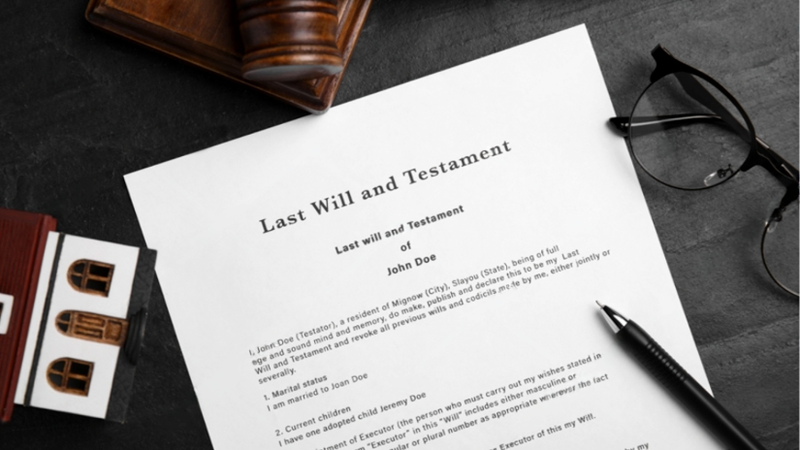
Will vs. Trust: Which One Actually Controls Your Assets In Canada?
Most Canadians think their will controls everything they own – but beneficiary designations, joint ownership, probate, and tax rules often determine where assets actually go.

Should You Put Assets In Your Kids' Names? Why Wealthy Canadian Families Never Do
Wealthy Canadian families almost never put assets in their kids' names. Here's why, how a family trust works instead, and the timing decision worth $1.3 million.

Do You Need A Holding Company In Canada? The 5 Signs
A holding company can save hundreds of thousands in tax – or add needless complexity. Learn the five signs it makes sense, from surplus cash and investments to asset protection and business sales.
🎬 More Episodes
 Solo
SoloHow To Get Paid By US Clients (Canadian Corp)
How Canadian corporations billing US clients can face 30% withholding, HST issues, and PSB reclassification – and the key factors CRA uses to assess the relationship.
- US Tax
- Cross-Border
- Corporate Tax
 Solo
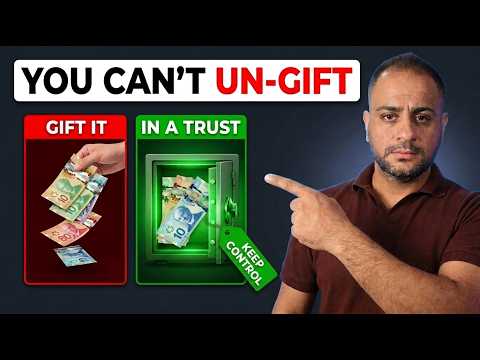
SoloFamily Trusts Explained: Why The Wealthy Never Gift Their Kids Anything
Why wealthy Canadian families never put assets in their kids' names, how a family trust actually works, and the timing decision worth $1.3 million.
- Family Trust
- Trust Planning
- Income Splitting
 Solo
SoloDo You Actually Need A Holding Company?
How a holding company can reduce taxes, protect assets, and improve long-term planning for some Canadians – while creating unnecessary cost and complexity for others.
- Holdco Structure
- Corporate Tax
- Professional Corporations
 Solo
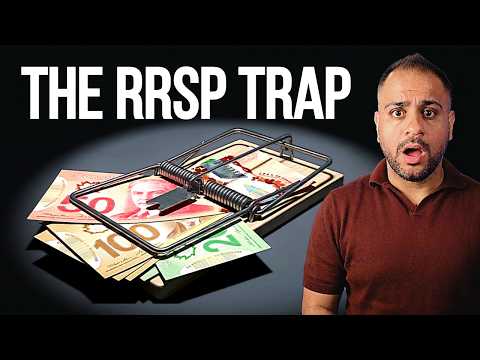
SoloCRA Takes 54% Of Your RRSP When You Die (Unless You Do This)
How a $1 million RRSP can create a $500,000+ tax bill at death – and the little-known planning strategy that may help families keep far more of their wealth.
- RRSP
- Retirement Planning
- Beneficiary Designations
 Solo
SoloYour Family Can Save 12K A Year Through This Tax Strategy
How Canada's 3% prescribed-rate trust strategy can legally shift investment income to children – but new AMT rules may now reduce or even reverse the tax savings.
- Family Trust
- Tax Planning
 Solo
SoloEstate Planning Explained: Will vs. Trust In Canada
How wills, beneficiary designations, joint ownership, and trusts actually control your assets in Canada – and why many families discover critical estate planning gaps only after a crisis occurs.
- Estate Planning
- Wills & Estates
- Trust Planning
Senior Tax Manager · Tax Manager
Two ways in: the groundwork under our advisory files, or a senior seat with a defined path to Manager.