Don’t Buy A Car In 2026 Until You Learn CRA's Rules
How a luxury vehicle purchase can turn into a personal tax nightmare — and why the government isn't actually "paying" for your car.
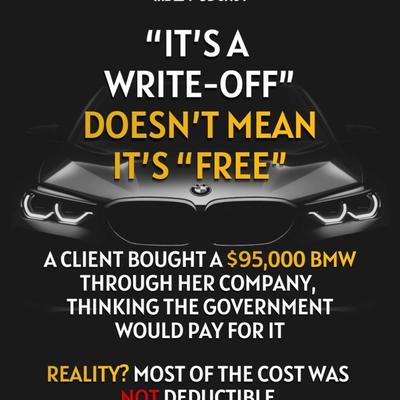
"It's A Write-Off" Doesn't Mean It's "Free"
Show Notes
In this episode, we tackle one of the most persistent myths in the business world: the “full car write-off”. Many entrepreneurs believe that buying a luxury vehicle through their corporation means the car is essentially “free” or fully funded by the government. The reality is far more complex, involving rigid caps, taxable benefits, and the risk of double taxation.
We break down the actual math behind corporate vehicle ownership — from the $39,000 capital cost ceiling to the “standby charge” that can add tens of thousands of dollars to your personal taxable income every year. Through real-world scenarios, we compare leasing vs. financing and explore why sometimes, the simplest approach—personal ownership with mileage reimbursement—is actually the most tax-efficient.
Here's What We Discuss In This Episode:
• Why buying a car through your corporation is not a full write-off
• How CRA caps limit deductions on both purchased and leased vehicles
• Why personal use of a corporate vehicle creates taxable benefits
• How standby charges and operating benefits increase your personal tax bill
• When leasing vs. buying changes the tax outcome
• Why mileage reimbursement can often be more tax-efficient than corporate ownership
This Episode Is Essential To View For:
✓ Business Owners considering purchasing or leasing a vehicle through their corporation
✓ Incorporated professionals using a company car for personal driving
✓ Contractors and tradespeople managing business vs. personal vehicle use
✓ Anyone trying to understand whether a vehicle should be owned personally or corporately
Key Topics Covered:
• Corporate Vehicle Write-Off Limits
• Leasing vs. Buying
• Standby Charge & Operating Benefit
• Personal vs. Corporate Vehicle Ownership
• Mileage Reimbursement Strategy
Full Transcript
📝 Related Articles

How To Get Paid By US Clients Through A Canadian Corporation (2026 Guide)
W-8BEN-E, HST, salary vs dividends, and personal services business risk: how Canadian corporations can bill US clients without expensive mistakes.
CRA's New Audit Powers — 2026 Update: What's Dropped, What's Still Coming
CRA's New Audit Powers — 2026 Update: What's Dropped, What's Still Coming
Update: the CRA's most-feared new power — compelling answers under oath — was dropped from Bill C-31, and the rest aren't law yet. Here's what's actually proposed (notice of non-compliance, a 10% penalty, stop-the-clock) and what the CRA can already do today.

3 CRA Powers Coming in 2026 That Every Canadian Needs to Know
The CRA's new 2026 audit powers — compelled sworn testimony with no transcript, $50/day penalties without a court, and reassessment clocks frozen indefinitely. Here are the three every Canadian needs to understand.
🎬 More Episodes
 Solo
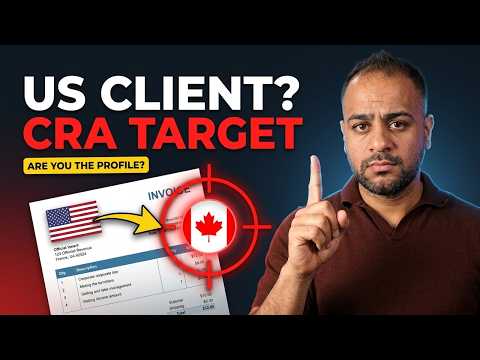
SoloHow To Get Paid By US Clients (Canadian Corp)
How Canadian corporations billing US clients can face 30% withholding, HST issues, and PSB reclassification – and the key factors CRA uses to assess the relationship.
- US Tax
- Cross-Border
- Corporate Tax
 Solo
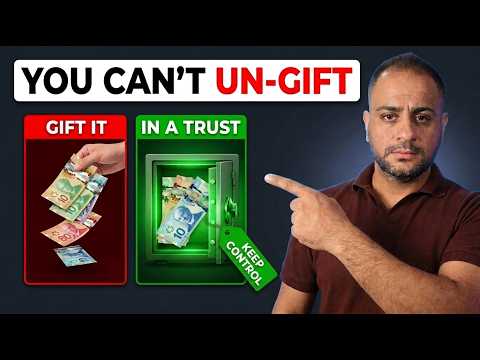
SoloFamily Trusts Explained: Why The Wealthy Never Gift Their Kids Anything
Why wealthy Canadian families never put assets in their kids' names, how a family trust actually works, and the timing decision worth $1.3 million.
- Family Trust
- Trust Planning
- Income Splitting
 Solo
SoloDo You Actually Need A Holding Company?
How a holding company can reduce taxes, protect assets, and improve long-term planning for some Canadians – while creating unnecessary cost and complexity for others.
- Holdco Structure
- Corporate Tax
- Professional Corporations
 Solo
SoloCRA Takes 54% Of Your RRSP When You Die (Unless You Do This)
How a $1 million RRSP can create a $500,000+ tax bill at death – and the little-known planning strategy that may help families keep far more of their wealth.
- RRSP
- Retirement Planning
- Beneficiary Designations
 Solo
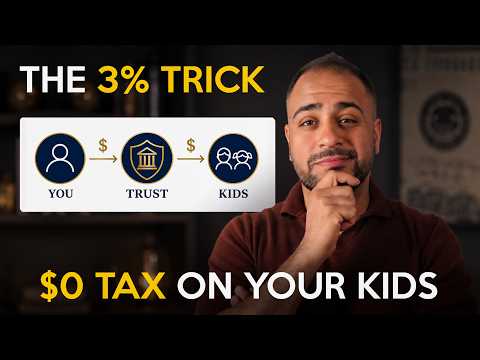
SoloYour Family Can Save 12K A Year Through This Tax Strategy
How Canada's 3% prescribed-rate trust strategy can legally shift investment income to children – but new AMT rules may now reduce or even reverse the tax savings.
- Family Trust
- Tax Planning
 Solo
SoloEstate Planning Explained: Will vs. Trust In Canada
How wills, beneficiary designations, joint ownership, and trusts actually control your assets in Canada – and why many families discover critical estate planning gaps only after a crisis occurs.
- Estate Planning
- Wills & Estates
- Trust Planning
Senior Tax Manager · Tax Manager
Two ways in: the groundwork under our advisory files, or a senior seat with a defined path to Manager.