CRA Voluntary Disclosure Program 2025 Explained | What's Changed & What It Means
How Canada’s updated Voluntary Disclosure Program changes the way unreported income, foreign assets, and tax filings are treated — and who still qualifies for relief under the new CRA rules.
📥 Free resources from this episode
Crypto Tax Survival Guide
The Advisors TableCrypto Tax Survival Guide
What the CRA actually looks at when they audit your crypto activity, the 6-step records checklist for staying audit-ready, the transaction tracking template, and red flags that trigger reviews. Covers exchange data, blockchain tracking, FINTRAC bank cross-reference, and the OECD framework coming in 2027.
Show Notes
In this episode, we reveal that the CRA has officially overhauled its Voluntary Disclosure Program (VDP), with major changes taking effect October 1, 2025.
Ever missed reporting income, foreign assets, GST/HST filings, or information returns? Well we'll explain what the new rules mean for you – and who still qualifies for relief.
Through Our Discussion, We Unpack:
• Key differences between the old and new VDP
• How CRA determines Prompted vs. Unprompted applications
• The penalty and interest relief under the new VDP
• Common red flags that can disqualify your disclosure submission
• Emphasis on completeness, known vs. unknown issues, and good faith
• Practical steps to take before filing a disclosure
This Episode Is Essential To View For:
✓ Canadian business owners
✓ Individuals with unreported income or foreign assets
✓ High income professionals
✓ Accountants and tax advisors
✓ Anyone concerned about CRA audits or penalties
Key Topics Covered:
• What the 2025 VDP changes actually mean in practice
• How CRA treats "prompted" vs. "unprompted" filings – and why the line is often unclear
• How CRA communications, questionnaires, and review letters affect eligibility
• Interest relief and penalty exposure under the new framework
• Rules around second submissions and the "beyond your control" test
• Real-world challenges of missing records and long lookback periods
• CRA's expectations on completeness and known vs. unknown issues
• Foreign Reporting Disclosures (T1135, T1134)
• GST/HST corrections under the new framework
• Why the VDP isn't a planning tool or "second chance" loophole
• Preparing a compliant VDP submission
• Risks of delayed filings, public data leaks, and third-party reporting
📝 Related Articles

3 CRA Powers Coming in 2026 That Every Canadian Needs to Know
The CRA's new 2026 audit powers — compelled sworn testimony with no transcript, $50/day penalties without a court, and reassessment clocks frozen indefinitely. Here are the three every Canadian needs to understand.

CRA’s 5 Most Dangerous Weeks: What TEBA Means for Your Next Audit
What is TEBA, and why does it make February–March the most dangerous weeks for a CRA audit? How the CRA's March 31 year-end drives aggressive reassessments — and a 3-phase plan to protect yourself.

The Tax Rule That Punishes Canadians for Helping Family — And What You Can Do About It
New CRA bare trust filing catches family bank accounts, joint titles, crypto held for relatives—$50K penalties even if you owe $0 tax. Bill C-15 passed House, Senate next. Sign petition + download checklist before 2026 tax year.
🎬 More Episodes
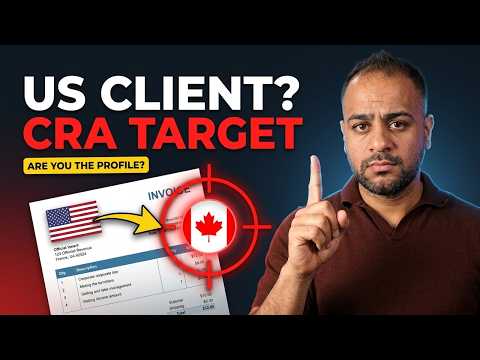 Solo
SoloHow To Get Paid By US Clients (Canadian Corp)
How Canadian corporations billing US clients can face 30% withholding, HST issues, and PSB reclassification – and the key factors CRA uses to assess the relationship.
- US Tax
- Cross-Border
- Corporate Tax
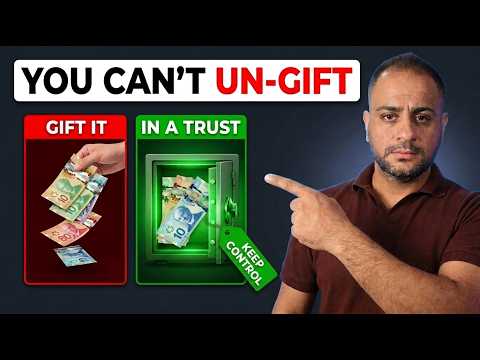 Solo
SoloFamily Trusts Explained: Why The Wealthy Never Gift Their Kids Anything
Why wealthy Canadian families never put assets in their kids' names, how a family trust actually works, and the timing decision worth $1.3 million.
- Family Trust
- Trust Planning
- Income Splitting
 Solo
SoloDo You Actually Need A Holding Company?
How a holding company can reduce taxes, protect assets, and improve long-term planning for some Canadians – while creating unnecessary cost and complexity for others.
- Holdco Structure
- Corporate Tax
- Professional Corporations
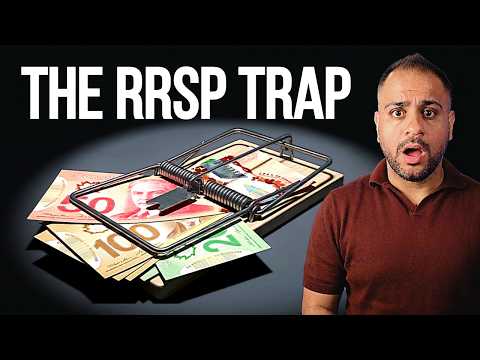 Solo
SoloCRA Takes 54% Of Your RRSP When You Die (Unless You Do This)
How a $1 million RRSP can create a $500,000+ tax bill at death – and the little-known planning strategy that may help families keep far more of their wealth.
- RRSP
- Retirement Planning
- Beneficiary Designations
 Solo
SoloYour Family Can Save 12K A Year Through This Tax Strategy
How Canada's 3% prescribed-rate trust strategy can legally shift investment income to children – but new AMT rules may now reduce or even reverse the tax savings.
- Family Trust
- Tax Planning
 Solo
SoloEstate Planning Explained: Will vs. Trust In Canada
How wills, beneficiary designations, joint ownership, and trusts actually control your assets in Canada – and why many families discover critical estate planning gaps only after a crisis occurs.
- Estate Planning
- Wills & Estates
- Trust Planning
Senior Tax Manager · Tax Manager
Two ways in: the groundwork under our advisory files, or a senior seat with a defined path to Manager.