Strange Tax Scenarios: Paying Taxes Without Making Money or Donating Big!
How Canada's expanded AMT rules are catching taxpayers off-guard by limiting deductions, increasing taxable gains, and creating unexpected tax bills on major financial transactions.
Show Notes
Most people think AMT only applies to "very wealthy" taxpayers.
But the 2024 changes quietly made it much broader – and the impact has surprised a lot of Canadians.
Here's what changed:
• 100% of most capital gains now count for AMT
• Many deductions (interest, losses, etc.) are cut to 50%
• The AMT rate increased to 20.5%
Why does this matter? Because these rules can create outcomes that don't feel logical or fair.
These rules are catching people off-guard – especially those doing large transactions, equity events, year-end gifts, or major investment moves.
If you're planning to sell a business, realize gains, donate to charities, or leave Canada, AMT absolutely needs to be part of the planning conversation before you take action.
📝 Related Articles

Will vs. Trust: Which One Actually Controls Your Assets In Canada?
Most Canadians think their will controls everything they own – but beneficiary designations, joint ownership, probate, and tax rules often determine where assets actually go.

$800K Tax Bill That Should’ve Been $0 — The 5 Mistakes That Cost This Business Owner Everything
Discover the 5 critical errors that turned a $0 tax bill into an $800K disaster for a business owner. Learn how to protect your company from CRA reassessments, audits, and massive penalties.

How To Get Paid By US Clients Through A Canadian Corporation (2026 Guide)
W-8BEN-E, HST, salary vs dividends, and personal services business risk: how Canadian corporations can bill US clients without expensive mistakes.
🎬 More Episodes
 Solo
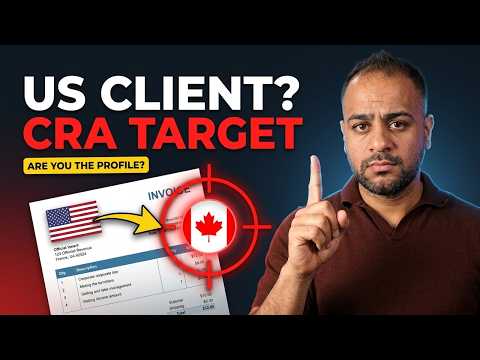
SoloHow To Get Paid By US Clients (Canadian Corp)
How Canadian corporations billing US clients can face 30% withholding, HST issues, and PSB reclassification – and the key factors CRA uses to assess the relationship.
- US Tax
- Cross-Border
- Corporate Tax
 Solo
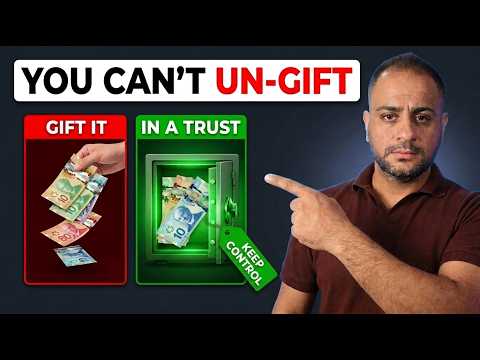
SoloFamily Trusts Explained: Why The Wealthy Never Gift Their Kids Anything
Why wealthy Canadian families never put assets in their kids' names, how a family trust actually works, and the timing decision worth $1.3 million.
- Family Trust
- Trust Planning
- Income Splitting
 Solo
SoloDo You Actually Need A Holding Company?
How a holding company can reduce taxes, protect assets, and improve long-term planning for some Canadians – while creating unnecessary cost and complexity for others.
- Holdco Structure
- Corporate Tax
- Professional Corporations
 Solo
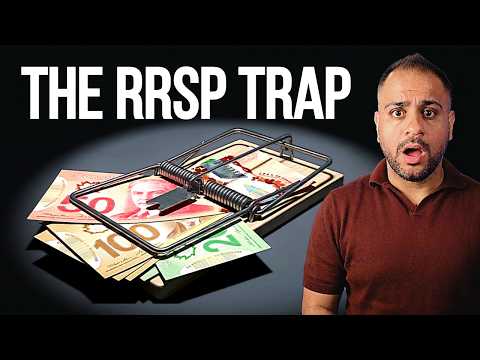
SoloCRA Takes 54% Of Your RRSP When You Die (Unless You Do This)
How a $1 million RRSP can create a $500,000+ tax bill at death – and the little-known planning strategy that may help families keep far more of their wealth.
- RRSP
- Retirement Planning
- Beneficiary Designations
 Solo
SoloYour Family Can Save 12K A Year Through This Tax Strategy
How Canada's 3% prescribed-rate trust strategy can legally shift investment income to children – but new AMT rules may now reduce or even reverse the tax savings.
- Family Trust
- Tax Planning
 Solo
SoloEstate Planning Explained: Will vs. Trust In Canada
How wills, beneficiary designations, joint ownership, and trusts actually control your assets in Canada – and why many families discover critical estate planning gaps only after a crisis occurs.
- Estate Planning
- Wills & Estates
- Trust Planning
Tax Manager / Senior Tax Manager — Advisory
For an experienced tax manager who wants to be the person the team turns to — and to grow into a leadership seat as we do.