Leaving Canada? Here’s What The CRA Wants You To Know
What tax residency, departure tax, and cutting ties really mean when you move abroad.
Show Notes
In this episode, we discuss how leaving Canada isn't just a lifestyle decision – it's a tax event. And in the CRA's eyes, you don't become a non-resident just because you move your belongings and bought a one-way ticket.
We break down what it actually means to sever Canadian tax residency, how the CRA evaluates your ties, and why the timing and structure of your move can result in – or save you from – a massive tax bill.
Through Real Client Scenarios, We Explain:
• Why you can live abroad and still be considered a Canadian resident
• How primary and secondary residential ties determine your status
• What departure tax is – and which assets are caught
• Why selling a business before vs. after emigrating can change your outcome by millions
• What steps to take before leaving if you want CRA to accept non-residency
• The forms and filings most people overlook
• How to avoid double-taxation, compliance issues, and residency disputes
This Episode Is Essential To View For:
✓ Canadian planning to move abroad permanently or long-term
✓ Business owners, investors, and high net-worth individuals leaving Canada
✓ People keeping Canadian homes, bank accounts, businesses, or family ties after moving
✓ Anyone trying to avoid departure tax, double taxation, or CRA residency dispute before emigrating
Key Topics Covered:
• Residency Rules: Primary vs. Secondary Ties
• When CRA still considers you factually resident
• NR73 Form – when this form should be filed
• What is departure tax (deemed disposition)
• Asset-by-asset planning before leaving
• Canadian Real Estate: Sell, Rent, or Keep?
• Non-resident withholding on rent, dividends, RRSP/RRIF
• Why timing your departure matters
• Business owners: LCGE, business sale timing, AMT, and double taxation
• Common mistakes that lead to audits, reassessments, or residency disputes
Full Transcript
📝 Related Articles

$800K Tax Bill That Should’ve Been $0 — The 5 Mistakes That Cost This Business Owner Everything
Discover the 5 critical errors that turned a $0 tax bill into an $800K disaster for a business owner. Learn how to protect your company from CRA reassessments, audits, and massive penalties.

The 3% Trick: How High-Income Canadian Families Legally Pay Less Tax On Investment Income
A legal 3% trust strategy can help high-income Canadian families shift investment income to children and save thousands in tax – but new AMT rules may now turn those savings into costly surprises.

Will vs. Trust: Which One Actually Controls Your Assets In Canada?
Most Canadians think their will controls everything they own – but beneficiary designations, joint ownership, probate, and tax rules often determine where assets actually go.
🎬 More Episodes
 Solo
SoloHow To Get Paid By US Clients (Canadian Corp)
How Canadian corporations billing US clients can face 30% withholding, HST issues, and PSB reclassification – and the key factors CRA uses to assess the relationship.
- US Tax
- Cross-Border
- Corporate Tax
 Solo
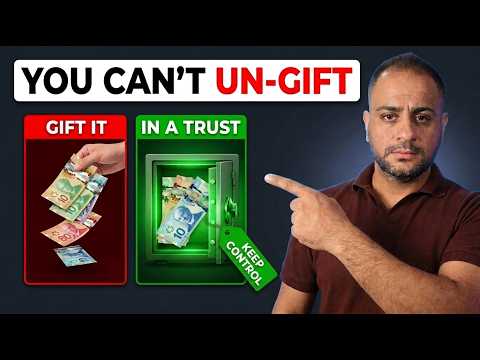
SoloFamily Trusts Explained: Why The Wealthy Never Gift Their Kids Anything
Why wealthy Canadian families never put assets in their kids' names, how a family trust actually works, and the timing decision worth $1.3 million.
- Family Trust
- Trust Planning
- Income Splitting
 Solo
SoloDo You Actually Need A Holding Company?
How a holding company can reduce taxes, protect assets, and improve long-term planning for some Canadians – while creating unnecessary cost and complexity for others.
- Holdco Structure
- Corporate Tax
- Professional Corporations
 Solo
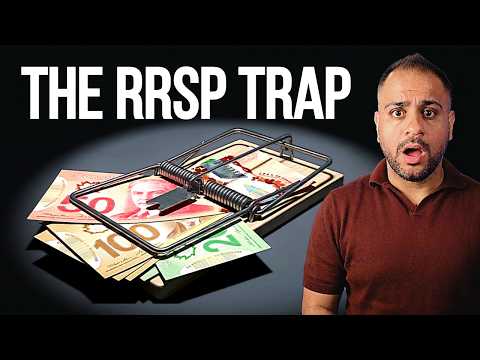
SoloCRA Takes 54% Of Your RRSP When You Die (Unless You Do This)
How a $1 million RRSP can create a $500,000+ tax bill at death – and the little-known planning strategy that may help families keep far more of their wealth.
- RRSP
- Retirement Planning
- Beneficiary Designations
 Solo
SoloYour Family Can Save 12K A Year Through This Tax Strategy
How Canada's 3% prescribed-rate trust strategy can legally shift investment income to children – but new AMT rules may now reduce or even reverse the tax savings.
- Family Trust
- Tax Planning
 Solo
SoloEstate Planning Explained: Will vs. Trust In Canada
How wills, beneficiary designations, joint ownership, and trusts actually control your assets in Canada – and why many families discover critical estate planning gaps only after a crisis occurs.
- Estate Planning
- Wills & Estates
- Trust Planning
Senior Tax Manager · Tax Manager
Two ways in: the groundwork under our advisory files, or a senior seat with a defined path to Manager.