Corporate Tax
Corporate Tax — All content on The Advisors Table.
Episodes
 Solo
SoloHow To Get Paid By US Clients (Canadian Corp)
How Canadian corporations billing US clients can face 30% withholding, HST issues, and PSB reclassification – and the key factors CRA uses to assess the relationship.
- US Tax
- Cross-Border
- Corporate Tax
 Solo
SoloDo You Actually Need A Holding Company?
How a holding company can reduce taxes, protect assets, and improve long-term planning for some Canadians – while creating unnecessary cost and complexity for others.
- Holdco Structure
- Corporate Tax
- Professional Corporations
 Episode
Don’t Buy A Car In 2026 Until You Learn CRA's Rules
How a luxury vehicle purchase can turn into a personal tax nightmare — and why the government isn't actually "paying" for your car.
- Vehicle Expense
- Corporate Tax
- Business Owners
 Episode
Should Your Money Live in a Corporation or Personally?
Most people focus on what to invest in – but where you invest matters far more, shaping taxes, growth, and long-term after-tax wealth over time.
- Holdco Structure
- Corporate Tax
- Tax Planning
 Solo
SoloCRA Penalizes You $334K For Having Cash
How excess cash, investments, and intercompany loans inside your corporation can quietly disqualify you from the Lifetime Capital Gains Exemption – costing business owners hundreds of thousands in lost tax savings.
- LCGE
- Business Sale
- Corporate Tax
 Solo
SoloCRA Ends 14-Year Break — Truckers Losing Millions
How CRA's renewed PSB enforcement is putting incorporated truck drivers and owner-operators at risk of higher taxes, denied deductions, and costly reassessment.
- CRA Audit
- Trucking
- Corporate Tax
Posts
How To Get Paid By US Clients Through A Canadian Corporation (2026 Guide)
W-8BEN-E, HST, salary vs dividends, and personal services business risk: how Canadian corporations can bill US clients without expensive mistakes.
CRA's New Audit Powers — 2026 Update: What's Dropped, What's Still Coming
CRA's New Audit Powers — 2026 Update: What's Dropped, What's Still Coming
Update: the CRA's most-feared new power — compelling answers under oath — was dropped from Bill C-31, and the rest aren't law yet. Here's what's actually proposed (notice of non-compliance, a 10% penalty, stop-the-clock) and what the CRA can already do today.
Visual Guides
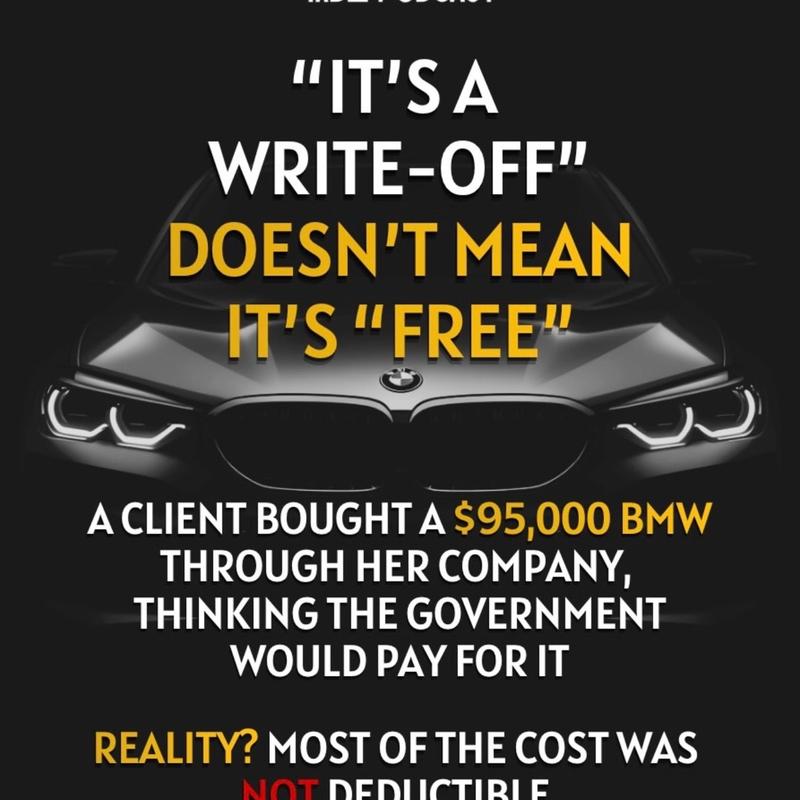
"It's A Write-Off" Doesn't Mean It's "Free"
Most people think a company car is a "full write-off" 💸 The reality, CRA has strict limits, caps, and taxable benefit rules that most people never hear about. Before buying a vehicle through your corporation, know these facts.
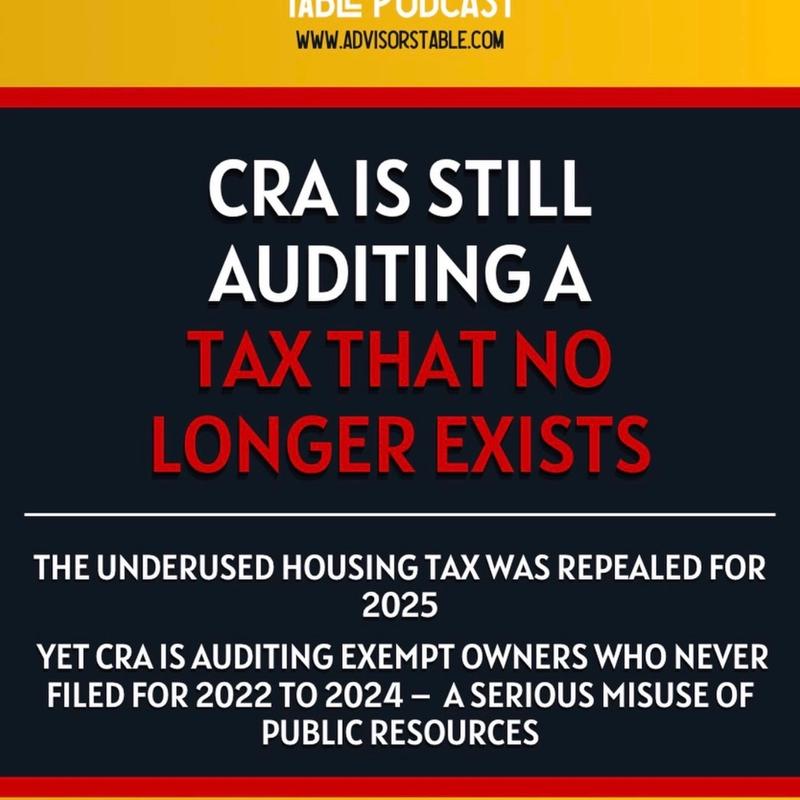
CRA Is Still Auditing A Tax That No Longer Exists
The Underused Housing Tax was rescinded under Bill C-15 for 2025 and subsequent years. No filings required. No tax owed. But the CRA is still auditing taxpayers who were exempt from the old rules and didn't file the paperwork – for a tax they were never going to owe in the first place. The minimum penalty? $1,000 for individuals and $2,000 for corporations. Per property. Per year. That is not compliance work. That is revenue collection through paperwork penalties on a regime the parliament has already thrown out.
Where Does Your GST Go?
The government collected $52.5 billion in GST last year. The interest on the debt? $54 billion. Your GST pays for nothing.
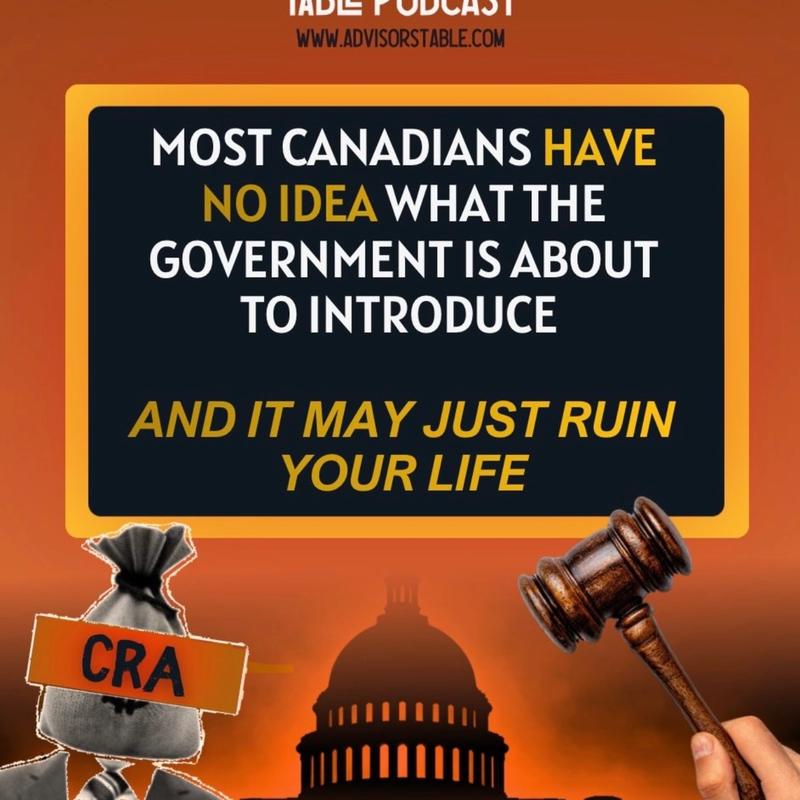
Most Canadians Have No Idea What The Government Is About To Introduce – And It May Just Ruin Your Life
Most Canadians have no idea this is being introduced in 2026 🇨🇦 The 3 New CRA Audit Powers. They could impact anyone audited. However, this legislation hasn't passed yet – protect yourself and other Canadians by taking action. Awareness is how change starts 🤝 Step 1️⃣: Sign the Petition Step 2️⃣: Fill the MP Letter Step 3️⃣: Share Original Video (3 CRA Powers Coming In 2026 Will Ruin You) ⛓️💥 All links are in our Linktree.
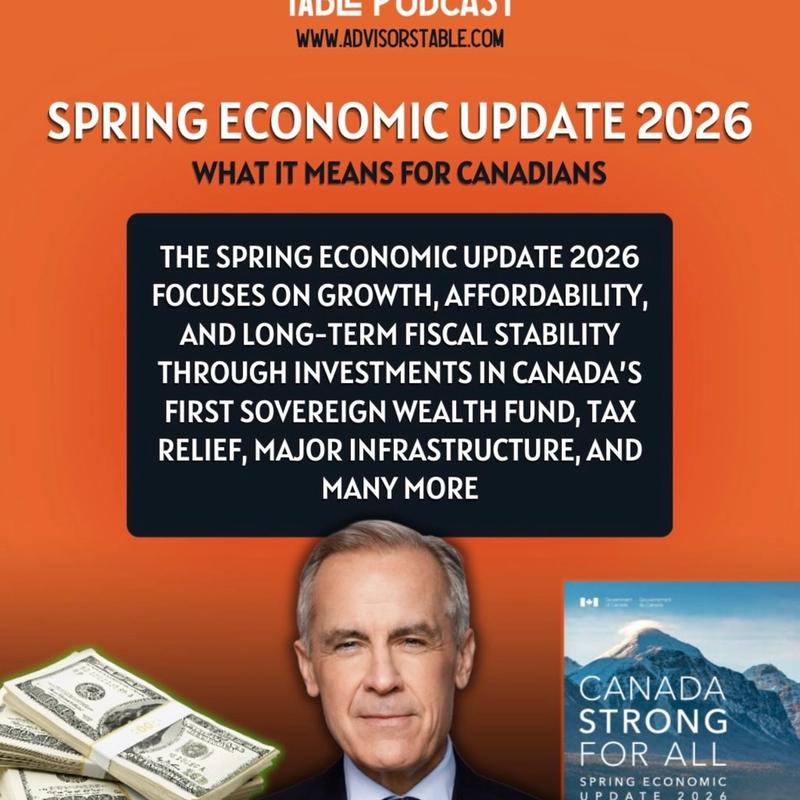
Spring Economic Update 2026
Canada's Spring Economic Update for 2026 is here 🇨🇦 From lower CPP contributions and grocery support to fuel tax relief and homebuyer incentives, these changes could directly impact your finances and tax planning. Their goal is to build a stronger Canada and create long-term economic growth for Canadians. But with rising public debt and major new spending, the bigger question is – who pays for it later?